Placing Your Bets: A Practical Guide to Crypto Sportsbook Wallets & Security for 2026
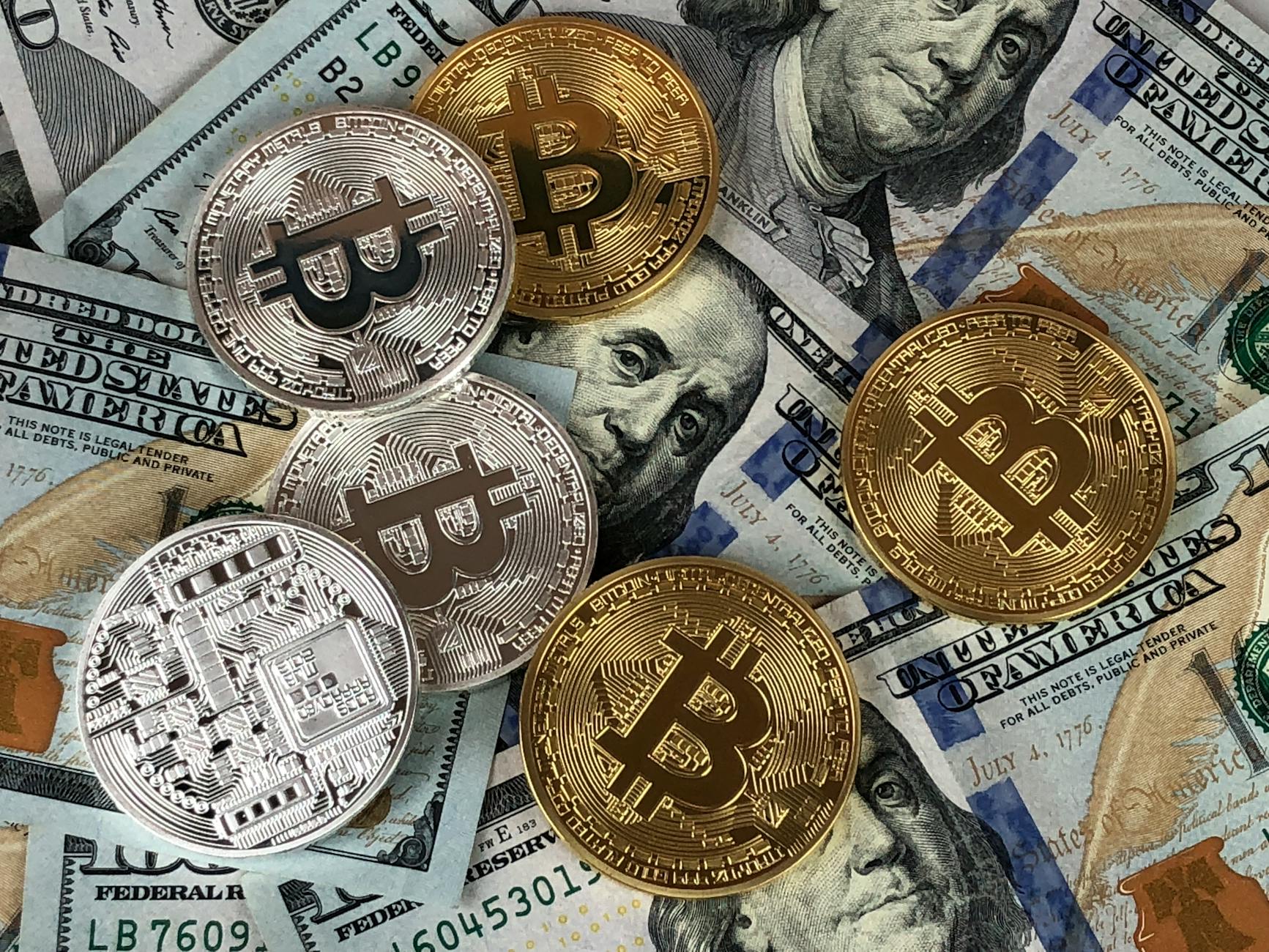
Navigating the burgeoning landscape of crypto sportsbooks in 2026 demands a keen understanding of wallet types and their implications for your betting journey. Beyond the immediate thrill of placing a wager, securing your digital assets is paramount. You'll primarily encounter two categories: custodial wallets, offered directly by the sportsbook, and non-custodial wallets, which you manage independently. While custodial options offer convenience, they come with the inherent risk of trusting a third party with your funds. Non-custodial solutions, such as hardware wallets (e.g., Ledger, Trezor) or reputable software wallets (e.g., MetaMask, Trust Wallet), provide superior control and security, making them ideal for larger sums or long-term holdings. The choice ultimately hinges on your risk tolerance and the depth of your technical understanding.
For the discerning crypto sports bettor, a multi-pronged approach to security is not just recommended, but essential for 2026. Consider implementing best practices like two-factor authentication (2FA) on all your accounts and wallets, ideally using an authenticator app rather than SMS. Furthermore, never reuse passwords across different platforms, and always opt for strong, unique combinations. Regularly review your wallet activity for any suspicious transactions, and be wary of phishing attempts – always double-check URLs before entering any sensitive information. Finally, for significant holdings, segregating your funds across multiple wallets, perhaps a 'hot' wallet for active betting and a 'cold' wallet for long-term storage, dramatically reduces your exposure to potential threats. Staying informed about the latest security vulnerabilities and updates is your best defense against evolving cyber risks.
The rise of cryptocurrencies has opened up new avenues for sports enthusiasts looking to place their wagers, making crypto world cup betting an increasingly popular choice. This method offers enhanced privacy, security, and often lower transaction fees compared to traditional banking options. As the world cup approaches, many are turning to crypto platforms to back their favorite teams, experiencing a seamless and modern betting experience.
Beyond the Odds: Understanding Payouts, Fees, and Regulation in Crypto Sports Betting for the World Cup
Navigating the exciting world of crypto sports betting for the World Cup means understanding more than just the odds. A crucial factor is the payout structure, which can vary significantly between platforms. Look closely at the speed of withdrawals – some platforms offer instant crypto payouts, while others might involve a short processing time. Be aware of any minimum or maximum withdrawal limits, as these can impact your strategy, especially if you hit a big win. Some platforms also have their own native tokens, which might offer staking rewards or reduced fees if used for betting, adding another layer to your potential returns. Always ensure the platform clearly outlines how payouts are calculated and processed, providing transparency for your betting experience.
Beyond the allure of big wins, a realistic understanding of fees and regulation is paramount to a sustainable crypto sports betting experience. Transaction fees, often associated with blockchain networks (like gas fees on Ethereum), can eat into your profits, especially with smaller bets. Some platforms might also charge their own service fees or commission on winnings. Furthermore, the regulatory landscape for crypto betting is still evolving globally. While many decentralized platforms operate in a grey area, others are making strides towards obtaining licenses in specific jurisdictions. Always prioritize platforms that demonstrate a commitment to security and fair play, even if they operate without a traditional gambling license. Look for evidence of provably fair algorithms and strong community reviews to ensure you're betting on a reputable and trustworthy site.