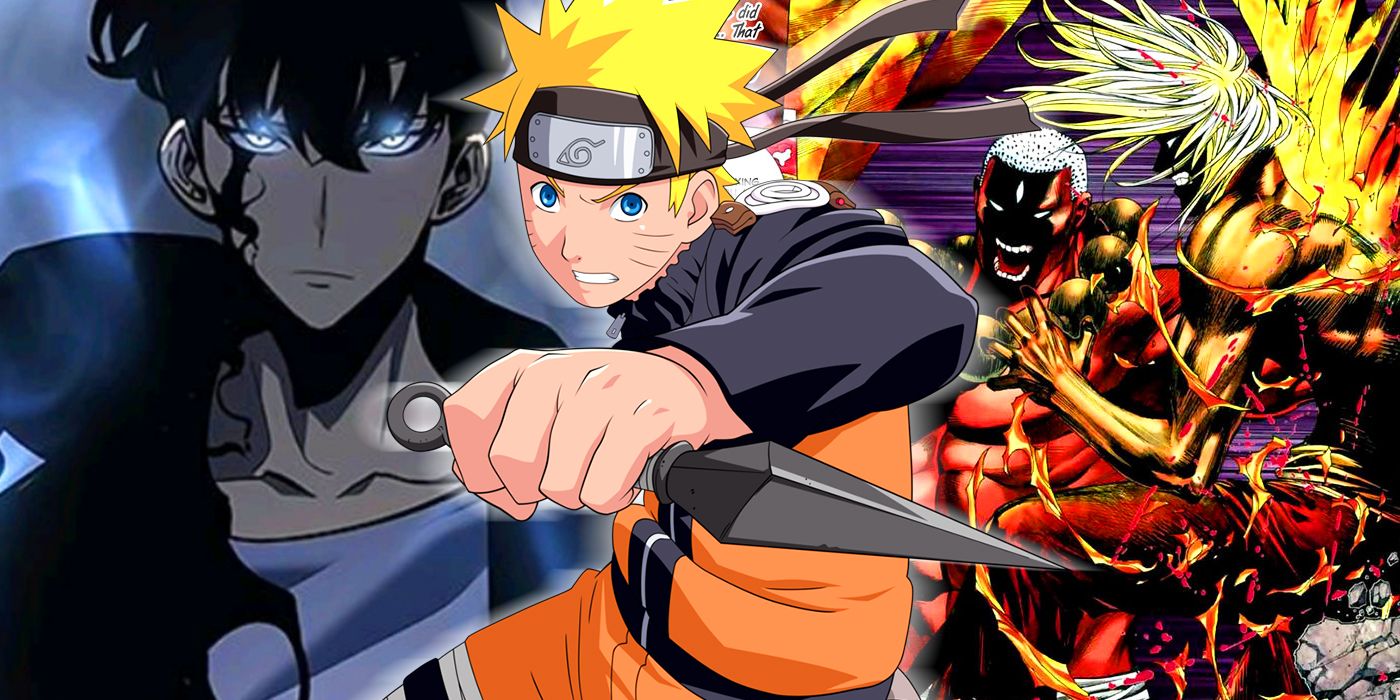
Understanding the Key Differences Between Manga and Manhwa
Manga and manhwa are both forms of comic art that originate from different cultures, with manga hailing from Japan and manhwa from South Korea. The most noticeable differences between the two can be seen in their art styles and reading formats. Manga is typically published in black and white and follows a right-to-left reading direction, which is a standard practice in Japan. In contrast, manhwa is often colored and read from left to right, aligning with the Western reading style. These variations not only reflect the unique artistic approaches of each country but also cater to the preferences of their respective audiences.
Another key distinction lies in their thematic elements and character development. Manga often focuses on a wide range of genres, including action, romance, horror, and slice-of-life, with deeply developed characters and intricate storylines. Manhwa, while also diverse in genre, tends to emphasize character emotions and relationships more strongly, often utilizing a more fluid and expressive art style. Additionally, manhwa has a growing popularity in webtoon formats, further differentiating it from traditional manga and expanding its reach globally.
If you're a fan of the popular webtoon, you might want to check out the solo leveling shop for some amazing merchandise. From apparel to collectibles, this shop offers a variety of items that will surely satisfy any Solo Leveling enthusiast.
Exploring the Evolution of Art Styles in Manga and Manhwa
The journey of art styles in manga and manhwa is both fascinating and complex, tracing back to their roots in traditional Japanese and Korean art. Manga, which originated in Japan, has evolved dramatically from its early forms in the Edo period to the vibrant and diverse styles we see today. Artists like Osamu Tezuka revolutionized the medium in the 20th century, introducing techniques that emphasized expressive characters and dynamic storytelling. On the other hand, manhwa, with its distinct Korean influences, has developed its own identity, often characterized by detailed backgrounds and a focus on emotional expressions. Each style reflects the cultural nuances and artistic traditions of its region, providing a rich tapestry for fans and scholars alike to explore.
As digital technology has advanced, both manga and manhwa have embraced new tools and methods of production. The emergence of software has allowed artists to experiment with colors, layouts, and effects, resulting in a broader spectrum of visual styles. Moreover, the global reach of the internet has facilitated the exchange of ideas and techniques between artists worldwide, leading to a fusion of styles and genres. This evolution not only showcases the adaptability of manga and manhwa but also highlights their role in the ever-changing landscape of visual art. As we continue to explore these vibrant forms, it becomes evident that the evolution of art styles in manga and manhwa mirrors the shifting tastes and influences of society.
Why Do Fans Prefer Manga Over Manhwa or Vice Versa?
When it comes to the debate of why fans prefer Manga over Manhwa or vice versa, several factors come into play. Manga, with its rich history and cultural significance in Japan, often offers an extensive variety of genres and storytelling techniques that resonate deeply with readers. The black-and-white art style combined with intricate and detailed artwork allows for expressive storytelling, which many fans find more appealing. Additionally, Manga's serialization method, through weekly or monthly chapters, builds anticipation and engagement, allowing the audience to connect intimately with characters and plot development. This serialized nature fosters a dedicated fanbase that eagerly discusses each release, contributing to Manga's cultural phenomenon.
On the flip side, Manhwa, which originates from South Korea, is often praised for its vibrant colors and dynamic characters, attracting fans who prefer a more modern aesthetic. The distinct webtoon format of digital Manhwa also appeals to a tech-savvy audience, enabling easy access on mobile devices and fostering a new generation of readers. Furthermore, the plotlines in Manhwa can diverge significantly, often exploring themes and issues relevant to contemporary society in a way that resonates with young adults. Fans' preferences ultimately hinge on their personal experiences and values, whether they gravitate towards the detailed storytelling of Manga or the modern flair of Manhwa, making this comparison a topic of ongoing discussion in the anime and manga communities.