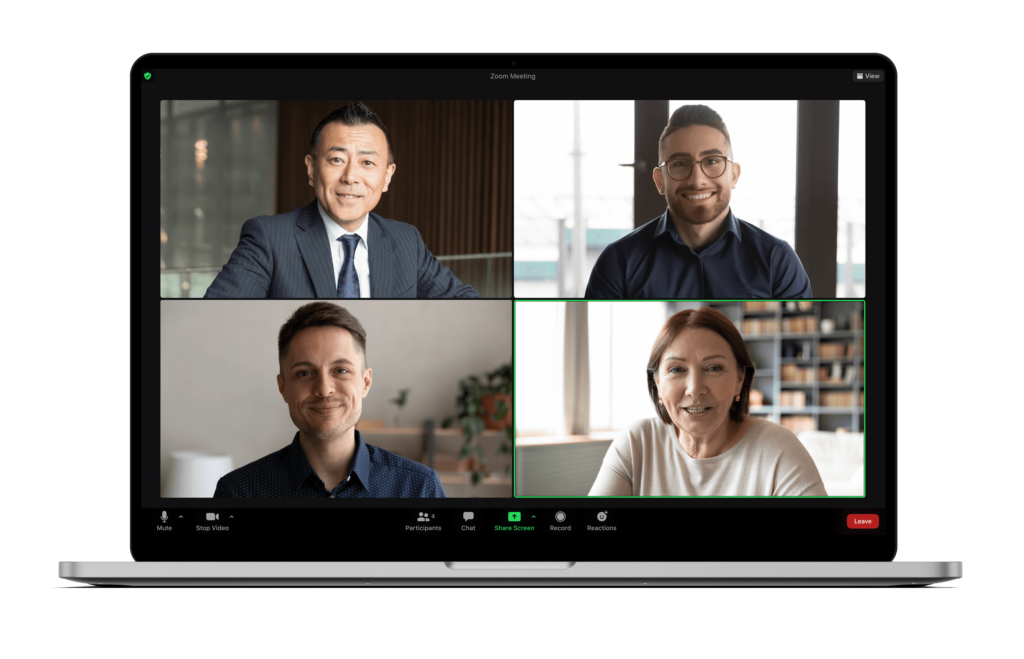
The Great Mute Button Mystery: Why Do We Forget to Unmute?
In the age of virtual meetings and online communication, the phenomenon known as The Great Mute Button Mystery has puzzled many. How is it that in crucial moments, we often forget to unmute ourselves? This habitual oversight can be attributed to a combination of factors, including the overwhelming nature of technology in today's world and the psychological elements of human behavior. When transitioning from a live face-to-face conversation to a digital platform, many users struggle to adapt to the various controls, leading to the infamous situation of muted communication.
Moreover, the context of the conversation can contribute to our forgetfulness. During virtual meetings, participants may become distracted by other tasks or overwhelmed by the multitude of on-screen information. This diversion leads to a lapse in concentration, resulting in missed cues about the mute button status. To combat this issue, it's essential to implement practical strategies, such as creating visual reminders or utilizing software features that alert users when they are muted. By addressing the Great Mute Button Mystery, we can improve our online communication and foster better connections with colleagues and friends.
Counter-Strike is a tactical first-person shooter game that has garnered a massive following since its release. Players can choose to side with either terrorists or counter-terrorists, completing objectives like bomb defusal and hostage rescue. For gamers looking to enhance their experience, check out the Top 10 Earbuds for Zoom Calls to find the perfect audio setup. The game's competitive nature and teamwork are key elements that keep players engaged for hours.
Unpacking Zoom Etiquette: The Do's and Don'ts of the Mute Button
Zoom etiquette is crucial for maintaining professionalism during virtual meetings, and the use of the mute button plays a significant role in this. One of the primary do's of using the mute button is to familiarize yourself with its location before the meeting starts. This ensures that you can quickly mute or unmute yourself when necessary, minimizing distractions. During discussions, it's best to keep your microphone muted when you're not speaking to avoid background noise. Additionally, make it a habit to check whether you're muted before contributing to a conversation, saving everyone the awkwardness of shouting 'Can you hear me?' while no one can.
On the contrary, there are key don'ts when it comes to using the mute button. Firstly, avoid leaving your microphone unmuted when you are not speaking, especially in a noisy environment. Background sounds can disrupt the flow of conversation and distract other participants. Another common mistake is to forget to unmute before responding; this can result in missed opportunities to engage actively in the discussion. Lastly, don't underestimate the power of non-verbal communication! Use reactions or gestures while muted to express agreement or disagreement, but always remember when it’s your turn to speak, to hook the audience with your words.
Top Tips for Avoiding the Mute Button Blunders on Zoom Calls
In a world where virtual meetings have become the norm, avoiding mute button blunders on Zoom calls is essential for effective communication. One of the simplest yet most effective tips is to always double-check your audio settings before joining a meeting. Make it a habit to test your microphone and speakers in the settings menu, ensuring you're not fumbling with the mute button while others are waiting for you to contribute. Additionally, consider using the 'mute' shortcut (usually Alt + A on Windows or Command + Shift + A on Mac) so you can quickly mute or unmute yourself without taking your focus away from the discussion.
Another key strategy to prevent mute button blunders is to create a checklist of best practices for virtual meetings. Here are some points to include:
- Always join meetings a few minutes early to address any technical issues.
- Keep your background noise to a minimum by using headphones or a dedicated microphone.
- Inform participants when you are about to speak, such as saying "I’m unmuting now" to signal your intent.
- If you're in a larger meeting, consider using the chat function to share your thoughts rather than unmuting every time.
Following these tips can significantly enhance the quality of your contributions and help you maintain a professional image during online meetings.