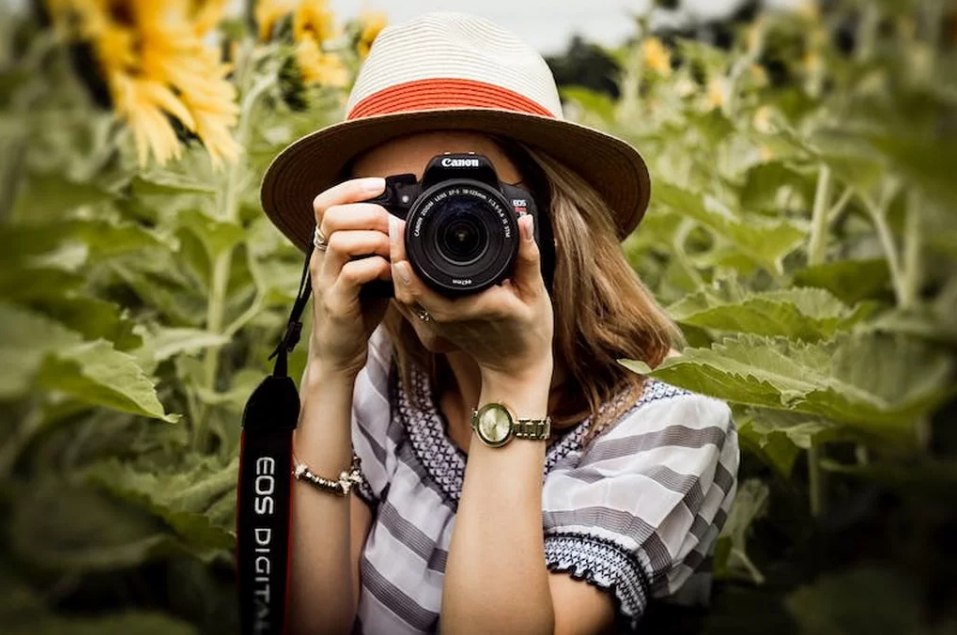
10 Tips for Turning Everyday Photos into Stunning Visuals
Transforming your everyday photos into stunning visuals doesn’t have to be complicated. Start by focusing on composition; remember the rule of thirds, which suggests dividing your image into a 3x3 grid to place points of interest at the intersections. Next, consider the lighting; natural light is your best friend—golden hour, shortly after sunrise or before sunset, can add a magical touch to your images. Additionally, don’t hesitate to experiment with angles. Shooting from different perspectives—whether it’s a low angle, high angle, or even an overhead shot—can result in captivating visuals that tell a story.
Another essential tip is to edit your photos using user-friendly software or apps. A well-edited photo can enhance colors and bring out details to create a stunning effect. Start with basic adjustments like brightness, contrast, and saturation before moving on to more advanced techniques such as cropping and adding filters. Finally, always remember to focus on your subject. A clear, well-defined focal point can keep the viewer's attention and elevate your photography. By following these 10 tips, you can effortlessly elevate your everyday photos into remarkable pieces of art.
Counter-Strike is a popular first-person shooter game that pits teams of terrorists against counter-terrorists in various objective-based missions. Players can choose to play different game modes, which often involve bomb planting, hostage rescue, or elimination of the opposing team. For those interested in enhancing their gameplay experience, check out the Top 10 mobile content creation gear to create high-quality content while gaming.
The Art of Composition: How to Frame Your Mundane Moments
In photography and visual storytelling, composition plays a crucial role in how we perceive and interpret a scene. It’s not just about capturing a pretty picture; it’s about framing those mundane moments that often go unnoticed in our daily lives. To elevate your art, consider the rule of thirds, a fundamental principle that divides your frame into nine equal parts using two horizontal and two vertical lines. By positioning your subject at the intersection points or along these lines, you draw the viewer’s eye into the composition, creating a more dynamic and engaging image.
Another effective technique is the use of leading lines, which guide the viewer’s eye through the scene. Roads, fences, or even shadows can serve as natural guides, directing attention to the focal point of your capture. Don’t underestimate the power of negative space, either; allowing empty spaces around your subject can create a sense of balance and serenity, making even the simplest moments resonate with beauty. Remember, the goal of mastering composition is to transform the ordinary into the extraordinary.
How to Use Lighting to Elevate Your Photography Skills
Lighting is one of the most crucial elements in photography, significantly impacting the mood and quality of your images. To elevate your photography skills, start by understanding the different types of lighting available, such as natural light, artificial light, and mixed lighting. Each type has its own unique characteristics that can dramatically influence your shots. For instance, using the golden hour—the hour after sunrise or before sunset—can create stunning warm tones and long shadows that bring your images to life. Experimenting with various light sources, such as reflectors, can help control harsh light and create a soft, diffused effect.
In addition to mastering lighting techniques, utilize shadows and highlights to add depth to your photographs. Consider using an appropriate exposure triangle: adjusting your aperture, shutter speed, and ISO settings to manipulate light effectively. For example, a lower aperture can produce a blurry background, while a higher shutter speed can freeze motion, enhancing the overall impact of the light in your composition. Furthermore, don't underestimate the potential of editing software to fine-tune your images post-capture, allowing for adjustments in brightness and contrast that can further elevate your photography skills.