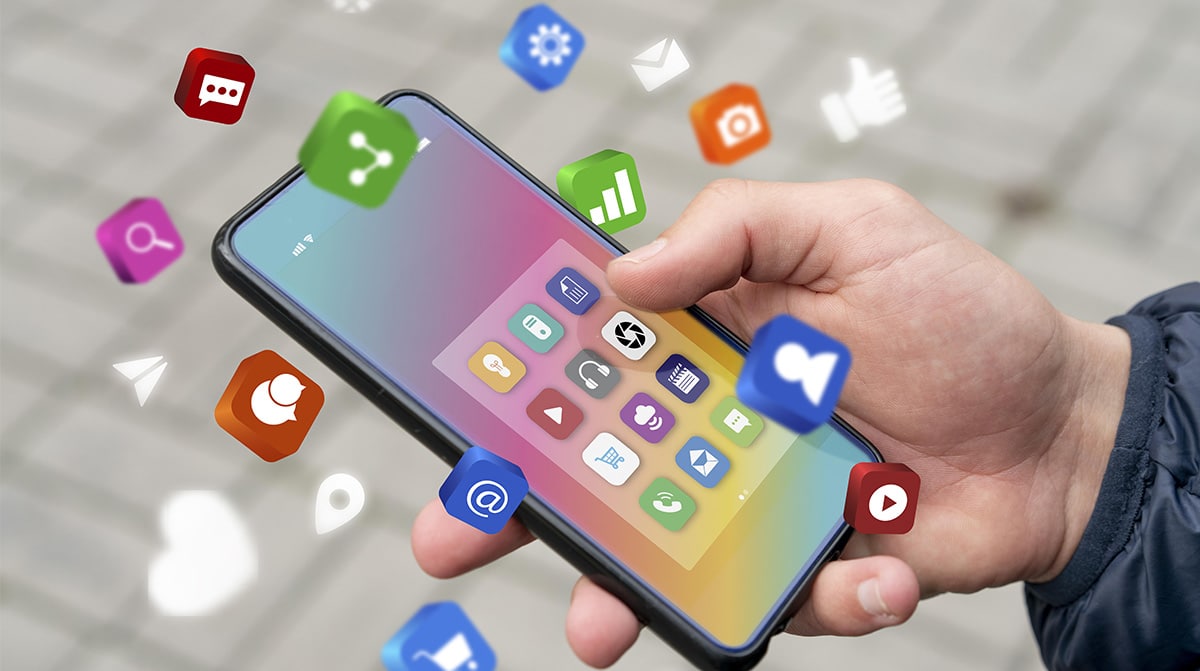
The Rise of Mobile Technology: Revolutionizing Daily Life
The rise of mobile technology has fundamentally changed the way we engage with the world around us. From the moment we wake up to the sound of an alarm on our smartphones to the last scroll through social media before bed, mobile devices are an integral part of our daily routines. According to recent studies, over 90% of people have their mobile devices within arm's reach for most of the day, illustrating our dependence on these gadgets. This constant connectivity has not only transformed communication but has also influenced various sectors including education, commerce, and healthcare.
In the realm of daily life, mobile technology facilitates unprecedented convenience and efficiency. For instance, through mobile banking apps, individuals can manage their finances on-the-go, while countless productivity applications allow users to organize tasks and schedules seamlessly. The availability of information at our fingertips means that learning has become more accessible than ever. With the click of a button, we can access tutorials, expert advice, and online courses from anywhere. As we continue to embrace these technological advancements, it's clear that the growth of mobile technology is not just a trend, but a revolution that reshapes how we live, work, and connect.
Counter-Strike is a highly popular first-person shooter game that has captivated players since its inception. Known for its tactical gameplay and competitive scene, players must work together in teams to complete objectives, such as planting or defusing bombs. For gamers looking to enhance their streaming experience, check out the Top 10 iphone video accessories for the best tools to showcase their skills.
How Smartphones Are Transforming Industries: A Deep Dive
In recent years, smartphones have emerged as powerful tools that are reshaping various industries in unprecedented ways. From healthcare to retail, the integration of mobile technology has sparked a transformation in how businesses operate, enabling greater efficiency and improved customer engagement. For instance, in the healthcare sector, providers are leveraging smartphones for telemedicine, allowing doctors to consult with patients remotely and access medical records on-the-go. This shift not only enhances patient care but also streamlines administrative processes, leading to significant cost reductions.
Moreover, the smartphone revolution is evident in the retail industry, where mobile commerce is becoming increasingly prevalent. Businesses are utilizing mobile applications to deliver personalized shopping experiences, track inventory in real-time, and offer seamless payment solutions. According to a recent study, smartphone users are more likely to make impulse purchases, highlighting the importance of mobile optimization in today’s market. As industries continue to evolve, leveraging the capabilities of smartphones will be essential for companies looking to stay ahead of their competition.
Are Mobile Devices Making Us Smarter or More Distracted?
The debate surrounding whether mobile devices are making us smarter or simply more distracted is ongoing. On one hand, these devices grant us instant access to a wealth of information, improving our learning opportunities and staying informed. For instance, educational apps and platforms enable users to engage with new materials at their own pace. Moreover, mobile devices facilitate connectivity, allowing individuals to collaborate on projects regardless of geographical distance, thus enhancing productivity.
However, the constant notifications and distractions from social media can lead to decreased attention spans and hinder our ability to focus. A study shows that users check their phones an average of 58 times a day, which raises questions about our ability to engage in deep, meaningful thinking. In this context, many argue that while mobile devices offer various resources for learning, the potential for distraction can ultimately undermine our cognitive capacities and reduce our overall productivity.