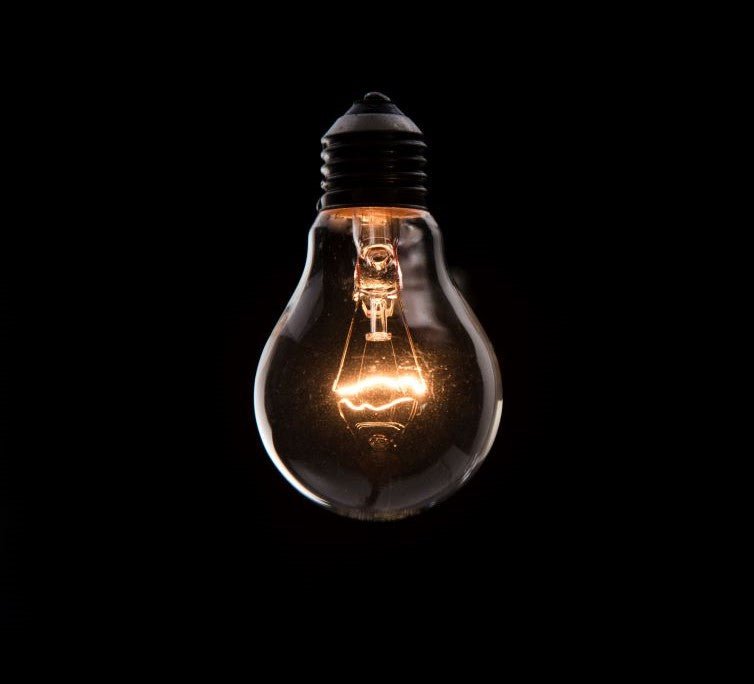
Understanding the Psychology of Light: How Your Environment Affects Your Mood
The relationship between light and mood is a fascinating field that combines psychology and environmental design. Research indicates that exposure to natural light can significantly enhance our well-being. For instance, sunlight stimulates the production of serotonin, a neurotransmitter that contributes to feelings of happiness and focus. Conversely, inadequate lighting can lead to feelings of lethargy and sadness. It is crucial to understand how artificial lighting, especially in workplaces and homes, can impact our psychological state. Exploring the balance between harsh fluorescent lights and softer, more ambient lighting can create environments that are conducive to better mental health.
Moreover, the intensity and color temperature of light play pivotal roles in how we perceive our surroundings and, in turn, how they affect our mood. Warmer light tends to create a cozy and intimate atmosphere, while cooler light can enhance alertness and productivity. According to studies, adjusting the lighting design in your space can lead to positive changes in your emotional state. Here are some tips to maximize your environment's impact on mood:
- Incorporate natural light whenever possible.
- Utilize dimmable fixtures to control light levels.
- Choose warm hues for relaxation areas and cooler hues for workspaces.
Understanding the psychology of light is an essential step in crafting environments that nurture our mental health.
Counter-Strike is a highly competitive first-person shooter game that has captivated gamers since its original release in 1999. Known for its team-based gameplay, players can choose between terrorists and counter-terrorists in various objective-based scenarios. For those looking to enhance their gaming experience, check out the Top 10 Vlog Kits for iPhone 17 which can improve quality for gaming streams and videos.
10 Lighting Tips to Create a Calm and Inviting Space
Creating a calm and inviting space is essential for fostering relaxation and comfort in your home. One of the most effective ways to achieve this is through strategic lighting. Here are 10 lighting tips that can transform your environment:
- Utilize soft lighting in relaxation areas, such as living rooms and bedrooms, to create a soothing atmosphere.
- Incorporate dimmer switches to allow control over the brightness, which can help set the mood for different times of the day.
- Consider layered lighting by combining ambient, task, and accent lights; this adds depth and interest to your space.
- Invest in warm-toned bulbs to enhance feelings of coziness.
- Use natural light where possible, opening curtains during the day to bring in sunlight.
- Enhance your space with table lamps and floor lamps for additional, inviting light sources.
- Incorporate string lights or LED candles for a whimsical touch.
- Choose lighting fixtures that match your personal style, contributing to the overall comfort of your environment.
- Don’t forget about task lighting in work areas—this ensures functionality without compromising ambiance.
- Create focal points with spotlighting to highlight art or architectural features and bring warmth to your space.
What’s the Difference Between Warm and Cool Lighting and How Does It Affect Your Emotions?
When considering the difference between warm and cool lighting, it's essential to understand both the color temperature and the emotional responses they elicit. Warm lighting, typically characterized by a color temperature between 2700K and 3000K, emits a soft, golden glow reminiscent of candlelight. This type of lighting is often used in residential settings, as it creates a cozy and inviting atmosphere. On the other hand, cool lighting ranges from 4000K to 6000K, delivering a brighter, more bluish hue that promotes alertness and focus, making it suitable for workspaces or kitchens.
The emotional impact of lighting cannot be underestimated. Warm lighting is often associated with feelings of comfort and relaxation, making it ideal for social gatherings or intimate spaces. In contrast, cool lighting can enhance concentration and productivity, but it may also evoke feelings of coldness or detachment if overused. Understanding how these differing lighting temperatures affect your emotions can help you create spaces that foster the desired atmosphere, whether it's for relaxation or inspiration.