Understanding the Effects of Blue Light on Eye Health
In today's digital age, exposure to blue light has become an unavoidable reality for many. This high-energy visible light, emitted by screens from computers, smartphones, and televisions, can significantly impact our eye health. Research indicates that prolonged exposure to blue light can contribute to digital eye strain, characterized by symptoms such as dryness, discomfort, and blurred vision. To mitigate these effects, experts recommend adopting the 20-20-20 rule: every 20 minutes, take a 20-second break to look at something 20 feet away. This practice helps reduce eye fatigue caused by constant screen time.
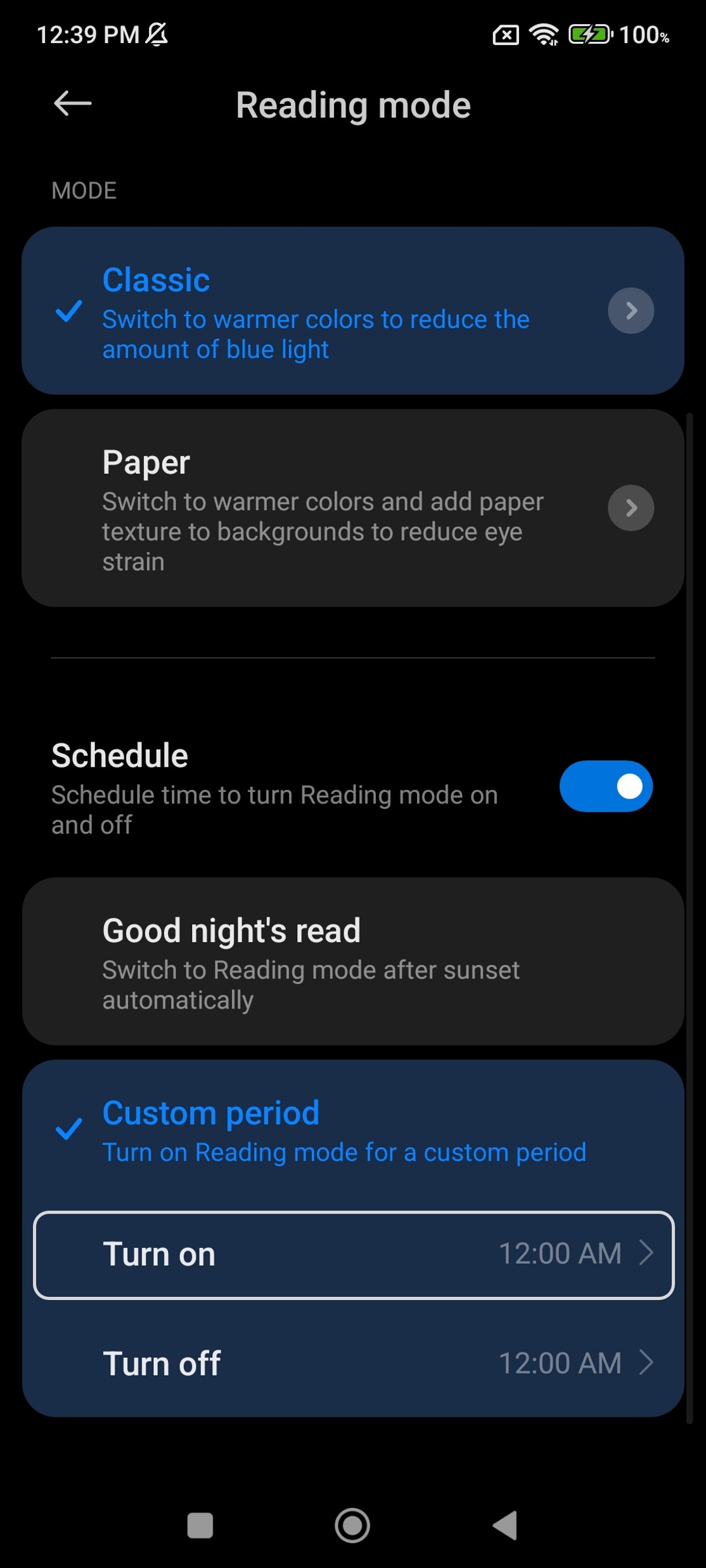
Additionally, there are concerns about the long-term effects of blue light on vision. Some studies suggest that excessive blue light exposure may accelerate the development of age-related macular degeneration (AMD), a leading cause of vision loss in older adults. As a precaution, individuals can explore blue light blocking glasses or screen filters, which are designed to reduce the blue light entering the eyes. Moreover, certain lifestyle changes, such as reducing screen brightness, utilizing night mode settings on devices, and maintaining a healthy distance from screens, can also promote better eye health.
Counter-Strike is a highly popular tactical first-person shooter game that has captivated millions of players worldwide since its inception. The game emphasizes teamwork and strategy as players are divided into two teams, terrorists and counter-terrorists, competing to complete objectives or eliminate the opposing team. As gamers often spend extended hours in front of screens, it's essential to consider the impact on eye health. For those looking to alleviate discomfort, check out the Top 10 Phone Accessories for Eye Strain to improve your gaming experience.
Do Blue Light Filters Really Work? Unpacking the Myths
The increasing prevalence of screens in our daily lives has led to a surge in discussions about the effects of blue light and the effectiveness of blue light filters. Many users claim that these filters can reduce eye strain and improve sleep quality, especially for those who use devices extensively at night. However, the science behind blue light filters is not as straightforward as it may seem. Research indicates that while blue light can interfere with the body’s natural sleep-wake cycle by suppressing melatonin production, the extent to which blue light filters alleviate eye strain is still under debate. Some studies indicate minimal impact, suggesting that the discomfort may stem from prolonged screen time rather than blue light exposure itself.
On the flip side, several common myths surround the use of blue light filters, leading to misconceptions about their benefits. For instance, a popular belief is that simply wearing blue light-blocking glasses will completely eliminate the negative effects of screen time; however, eye care professionals often recommend taking regular breaks from screens and practicing the 20-20-20 rule—looking at something 20 feet away for 20 seconds every 20 minutes—to effectively reduce eye strain. Furthermore, the manufacturing quality of blue light filters can vary significantly, making it essential for consumers to educate themselves on how to choose optimal solutions for their needs. Ultimately, understanding the myths and realities about blue light filters can empower users to make informed choices about their screen habits.
Top Tips for Reducing Blue Light Exposure in Your Daily Life
In today's digital age, blue light exposure is an unavoidable part of our daily lives, primarily due to the extensive use of screens on smartphones, computers, and televisions. To help mitigate its effects, consider implementing the 20-20-20 rule: every 20 minutes, take a 20-second break and look at something 20 feet away. This simple practice can significantly reduce eye strain caused by prolonged screen time. Additionally, you can adjust the brightness settings on your devices and enable 'night mode' or 'blue light filter' features during the evening to further decrease exposure before bed.
Another effective strategy is to limit screen time during the hours leading up to your bedtime. Create a screen-free zone at least an hour before sleep to promote better rest and recovery. Instead, consider reading a physical book or practicing mindfulness exercises to unwind. Furthermore, wearing blue light blocking glasses during the day, especially while working long hours at a computer, can also help protect your eyes and improve sleep quality later on.