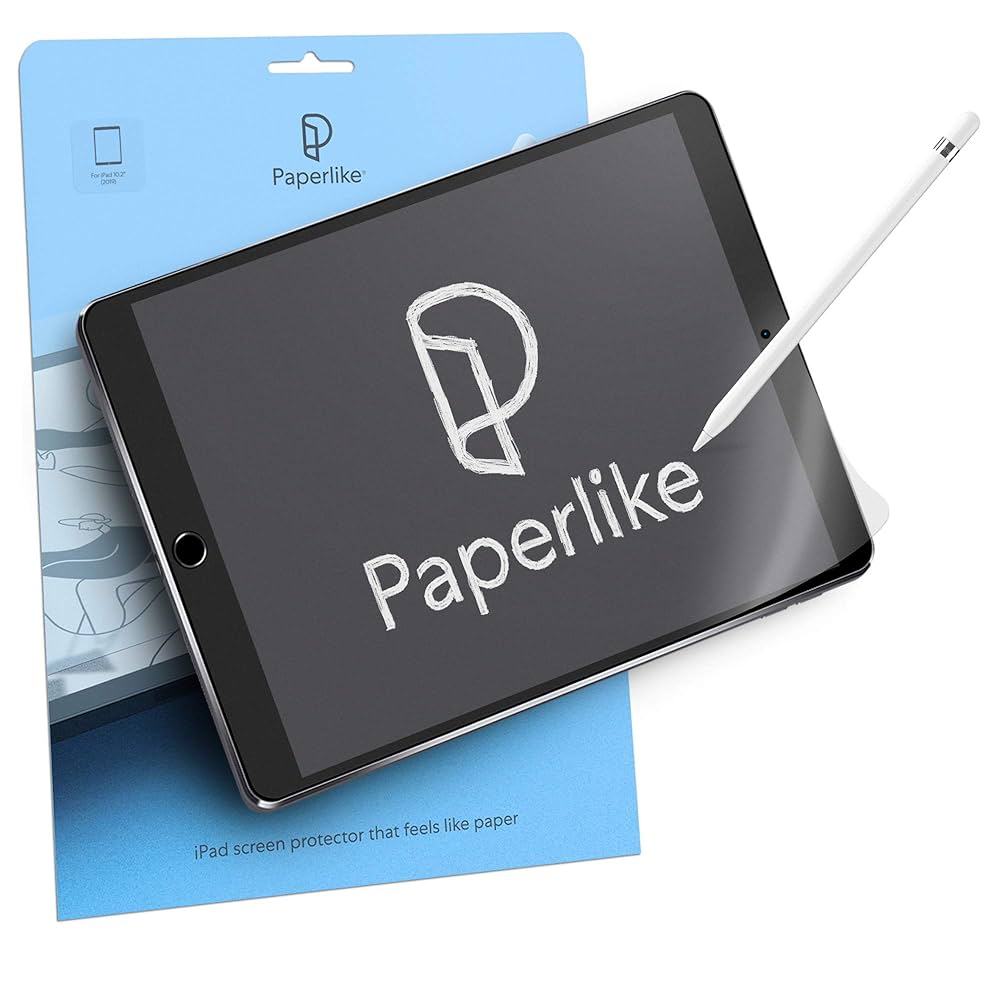
The Advantages of Paperlike Screens Over Traditional Displays
The rise of paperlike screens has revolutionized the way we interact with digital content, offering several advantages over traditional displays. One significant benefit is the reduction of eye strain. Conventional screens emit blue light and can create glare, leading to discomfort during extended use. In contrast, paperlike screens are designed to mimic the texture and feel of paper, providing a more natural reading experience. This feature not only enhances comfort but also encourages longer reading sessions without the fatigue often associated with standard screens.
Another advantage of paperlike screens is their superior visibility in various lighting conditions. Unlike traditional displays that can suffer from reflections and can be hard to read in bright sunlight, paperlike screens are optimized for outdoor use, making them ideal for students and professionals who need to work on the go. Additionally, these screens often consume less power, leading to longer battery life for portable devices. As such, incorporating paperlike screens into technology not only enhances the user experience but also contributes to environmental sustainability by reducing energy consumption.
Counter-Strike is a highly popular first-person shooter game that has become a staple in the esports community. Players can choose to play as either terrorists or counter-terrorists in a variety of game modes, offering intense team-based gameplay. For those looking to protect their devices while gaming, check out the Top 10 paperlike screen protectors to enhance your experience.
How Paperlike Screens Enhance the Digital Writing Experience
In an age where digital devices dominate our writing processes, Paperlike screens have emerged as a game changer for writers and artists alike. These screens, designed to mimic the texture and feel of paper, provide a tactile experience that enhances engagement and creativity. With a Paperlike screen, the smooth gliding of the stylus creates a familiar sensation, making the transition from traditional pen and paper to digital platforms seamless. This can significantly improve productivity, allowing users to write and sketch with the same fluidity and comfort they would expect from using physical materials.
Moreover, the unique surface of Paperlike screens minimizes glare and reduces eye strain, making long writing sessions less taxing on the eyes. Many users report that the matte finish helps them focus better, thereby boosting their overall writing efficiency. In addition, because of the way these screens are designed, Paperlike screens offer a natural writing and drawing experience, encouraging users to explore their creative side without the distractions that come from shiny, reflective surfaces. By integrating this technology, writers can truly transform their digital experience and enhance the quality of their work.
Are Paperlike Screens the Future of Note-Taking and Digital Creativity?
The rise of paperlike screens has sparked a revolutionary shift in the way we approach note-taking and digital creativity. By simulating the tactile experience of writing on paper, these innovative displays offer a unique blend of the analog and digital worlds. As more individuals—students, artists, and professionals alike—embrace the versatility of digital devices, the demand for solutions that provide a natural writing experience is growing. Paperlike screens not only reduce eye strain but also enhance productivity by allowing users to interact with their notes and sketches in a familiar way.
Furthermore, the integration of paperlike screens into tablets and e-readers can significantly influence creative workflows. For instance, artists can leverage these screens for sketching and painting, capturing the fluidity of traditional methods while enjoying the advantages of digital tools. As the technology continues to evolve, we may witness a paradigm shift in educational environments, where students actively engage with their materials rather than passively consuming information. Ultimately, if the trend towards paperlike screens continues, we could very well be on the brink of transforming how we learn, create, and connect with ideas.