How Does Wireless Charging Work? Exploring the Technology Behind It
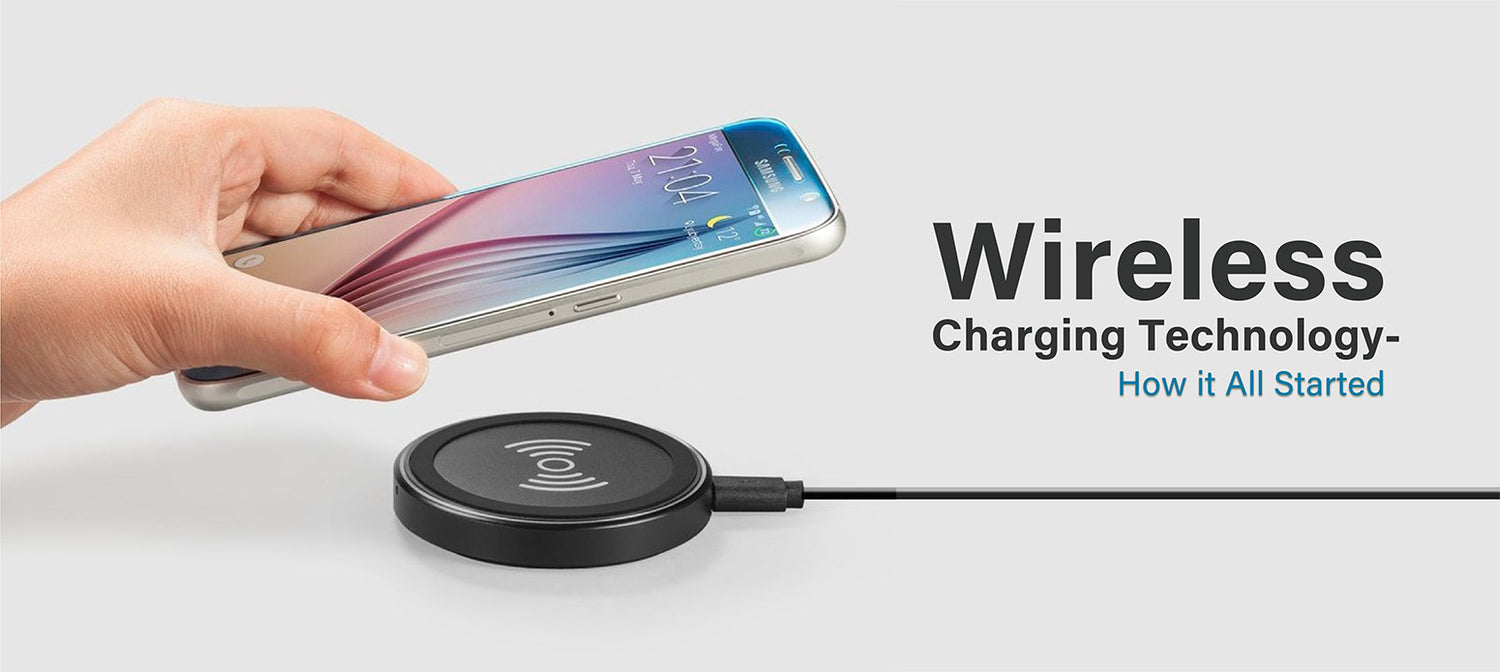
Wireless charging is a convenient and increasingly popular technology that allows devices to recharge their batteries without the need for physical connectors. This process is primarily based on two key principles: electromagnetic induction and resonance. In a typical wireless charging setup, a charging pad generates an alternating electromagnetic field through a coil that is embedded within it. When a compatible device, such as a smartphone, is placed on the pad, another coil within the device converts this electromagnetic energy back into electrical energy, which then charges the device's battery.
There are two main types of wireless charging: inductive charging and resonant charging. Inductive charging involves closely aligned coils, making it efficient but limited in range. In contrast, resonant charging allows for energy transfer over longer distances, enabling the possibility of charging multiple devices simultaneously or from a greater distance. This versatility makes wireless charging a key component in our transition to a more convenient, cable-free world.
Counter-Strike is a popular first-person shooter series that has garnered a massive following since its inception in the late 1990s. Players engage in team-based gameplay, often taking on roles as terrorists or counter-terrorists. The game emphasizes strategy, teamwork, and precise shooting skills. For players looking to enhance their gaming experience, consider checking out the Top 10 magsafe chargers for quick charging solutions.
The Environmental Benefits of Switching to Wireless Charging
Switching to wireless charging presents significant environmental benefits that contribute to a more sustainable future. Unlike traditional wired chargers that often require replacement due to wear and tear, wireless chargers are designed for durability and longevity. This reduction in electronic waste can substantially lower the environmental impact associated with manufacturing and disposing of chargers. Moreover, the energy efficiency of some wireless charging technologies is improving, which means less energy consumption over the product's lifespan, further diminishing the overall carbon footprint.
In addition to reducing waste, wireless charging supports the growing trend of renewable energy integration. Many wireless charging stations are now designed to be compatible with solar energy systems, allowing users to harness clean energy to power their devices. By making the switch, consumers can not only decrease their reliance on fossil fuels but also promote a healthier planet by supporting the transition to green energy sources. This enhanced synergy between technology and sustainability exemplifies how the shift to wireless solutions can be a win-win for both users and the environment.
Is Wireless Charging Safe? Debunking Common Myths
As wireless charging technology continues to gain popularity, many users wonder, is wireless charging safe? The short answer is yes, but there are several myths that need debunking. One common misconception is that wireless chargers emit harmful radiation. In reality, the electromagnetic fields generated by wireless chargers are well below the safety limits set by various health organizations. According to studies, the exposure levels are comparable to those of using a mobile phone, making them safe for everyday use.
Another myth revolves around the idea that wireless charging overheats devices. While it's true that wireless charging can generate some heat, modern chargers are designed with built-in safety features to prevent overheating. Devices often come with temperature sensors that ensure charging stops or slows down if they reach unsafe levels. Therefore, if you’re using a high-quality wireless charger, wireless charging is safe and convenient, eliminating the wear and tear associated with plugging and unplugging cables.