10 Common Myths About Electric Vehicles Debunked
Electric vehicles (EVs) have gained popularity in recent years, but with that popularity comes a variety of misconceptions. One of the most common myths is that electric vehicles are significantly less powerful than their gasoline counterparts. However, many EVs offer impressive acceleration and torque, making them competitive with traditional vehicles. In fact, the instant torque provided by electric motors allows for rapid acceleration, often outperforming gas-powered cars in 0-60 mph times. Another myth is that electric vehicles are too expensive for the average consumer. With decreasing battery costs and various government incentives, many models are now within reach of the average buyer.
Another misconception is that electric vehicles can't travel long distances, which is often referred to as range anxiety. Modern EVs are equipped with improved battery technology, allowing for ranges that exceed 200 miles on a single charge. Additionally, the expanding network of charging stations alleviates concerns about finding a place to recharge during long trips. Lastly, some believe that owning an electric vehicle is not environmentally friendly due to the emissions produced during battery manufacture. However, studies show that even accounting for production emissions, EVs typically have a lower overall carbon footprint than their gasoline counterparts over their lifespan.
Counter-Strike is a popular tactical first-person shooter that has captivated gamers worldwide since its inception. The game emphasizes teamwork, strategy, and skill as players engage in intense multiplayer matches. For those interested in enhancing their gaming experience, check out the Top 10 magsafe accessories that can help you get the most out of your setup.
The Truth Behind Charging Speeds: What You Need to Know
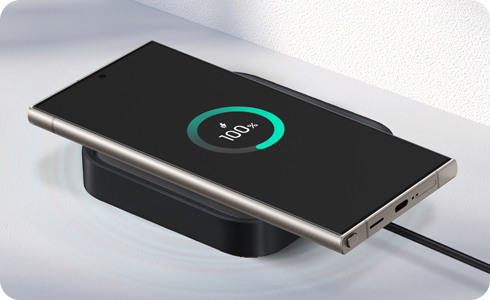
In today's fast-paced digital age, charging speeds have become a significant focus for consumers and tech enthusiasts alike. The term 'charging speed' generally refers to how quickly a device can recharge its battery, and it varies widely depending on several factors. These include the type of charger used, the device's battery capacity, and even the software optimization within the device. For instance, modern smartphones often support technologies like Fast Charge or Quick Charge, which can provide substantial power boosts in a fraction of the time compared to standard charging methods.
However, users should be aware that faster charging speeds don't always equate to better overall battery health. Using high-speed chargers excessively can lead to increased heat levels, which may shorten the lifespan of the battery. Additionally, factors such as temperature, age of the battery, and the quality of the charging cable play critical roles. To maximize your device's battery longevity while enjoying the convenience of rapid charging, it's essential to use the manufacturer's recommended chargers and practice good battery care habits.
Are All Charging Stations Created Equal? Understanding the Differences
As electric vehicles (EVs) become more prevalent, the question arises: Are all charging stations created equal? The short answer is no; various types of charging stations cater to different needs and situations. The main categories include Level 1, Level 2, and DC fast charging stations. Each type serves distinct purposes: Level 1 chargers are typically found in residential settings and can take up to 12 hours to fully charge an EV, making them ideal for overnight charging. On the other hand, Level 2 chargers are commonly found in public places like shopping centers and offices, significantly reducing charging time to just a few hours. Finally, DC fast chargers are designed for rapid charging and are often located along highways, enabling drivers to recharge their vehicles in as little as 30 minutes.
Moreover, the differences in charging stations extend to their power output and charging networks. Not every charging station supports all types of vehicles, so it’s crucial for EV owners to check compatibility before plugging in. Additionally, charging stations may come with varying pricing structures, including pay-per-use, subscription models, or free options offered by certain businesses to attract customers. Understanding these factors not only helps drivers choose the right charging station but also enhances their overall EV experience. By being informed, users can maximize convenience and efficiency on their journeys, creating a seamless transition into the future of automotive travel.